Do You Need Insurance to Rent a Car in Virginia?
By Del's Car Rental6 min read
Quick answer
Yes. Since July 1, 2024, every vehicle registered in Virginia must be insured, and rental companies require coverage too. You can usually cover a rental with your own auto policy, with coverage bought from the rental company, or with a mix of both. If you drive for Uber, Lyft, or delivery apps, check that your coverage includes that work, because personal policies often don't.
Virginia's minimum car insurance
Virginia used to let owners pay a fee instead of buying insurance. That option ended on July 1, 2024. Now every registered vehicle needs a policy that meets the state's liability limits.
For policies issued or renewed on or after January 1, 2025, the Virginia DMV lists these minimum liability limits:
| Coverage | Minimum |
|---|---|
| Injury or death, one person | $50,000 |
| Injury or death, two or more people | $100,000 |
| Property damage | $25,000 |
Liability pays for damage you cause to other people and their property. It doesn't pay to fix the car you're driving. That takes collision and comprehensive coverage.
Does your own car insurance cover a rental?
Often, yes. Virginia's Bureau of Insurance says that if your policy has collision and comprehensive ("other than collision") coverage, it extends those coverages to a car you rent.
A few things to know:
- Liability-only policies won't pay for damage to the rental itself.
- Your deductible still applies if you file a claim.
- Not every cost is covered. The Bureau warns that your policy may not cover all your obligations under the rental agreement.
- No car, no policy? If you don't own a car, you may not have coverage at all. Ask an insurance agent about a policy for drivers who don't own a car.
Coverage rental companies sell
Big rental companies usually offer some mix of these at checkout or the counter:
- Damage waiver (LDW or CDW). Not technically insurance. It limits what you owe if the rental is damaged or stolen.
- Supplemental liability. Adds liability coverage above what you already have.
- Personal accident coverage. Medical costs for you and your passengers.
- Personal belongings coverage. For items stolen from the car.
The Bureau of Insurance advises reading the rental agreement carefully before deciding whether to buy a damage waiver. If your own policy already covers you, you may not need every add-on.
What about credit card rental coverage?
Some credit cards include rental car coverage when you pay with the card. The terms vary a lot: some coverage only kicks in after your own insurance, some cars and countries are excluded, and business or commercial use may not count. Read your card's benefit terms, and remember that card coverage usually requires paying with that card. If you're paying another way, see renting a car with a debit card.
Insurance for gig drivers in Virginia
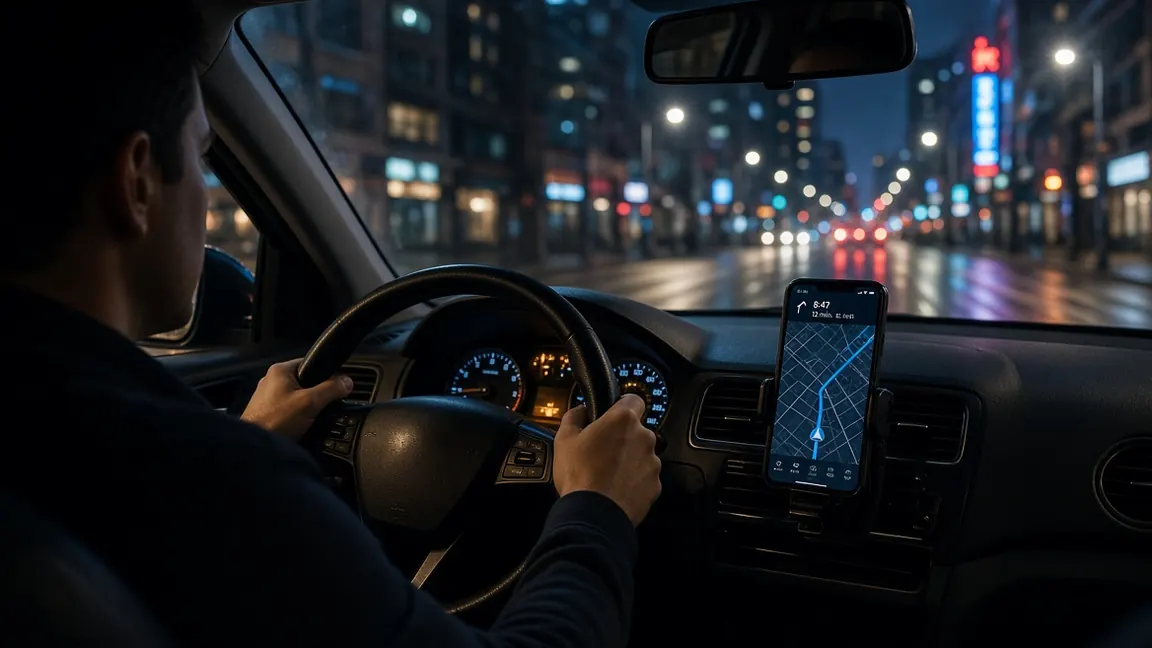
This is where most drivers get caught. Virginia law sets insurance rules for rideshare apps like Uber and Lyft (called transportation network companies):
| When | Required coverage |
|---|---|
| App on, waiting for a ride request | At least $50,000 / $100,000 / $25,000 liability |
| Ride accepted until it ends | At least $1 million liability |
The same law says a personal auto policy doesn't cover you during a rideshare trip unless the policy expressly says it does. If you rent a car for gig work, make sure your coverage fits that use.
- Uber only allows rentals from approved partners. See can you drive for Uber with a rental car.
- Delivery apps like DoorDash and Amazon Flex have their own insurance terms. Check them in the app before your first shift.
Before you rent: insurance checklist
- Ask the rental company what insurance they require, and what proof they need.
- Call your insurer to confirm your policy covers a rental car and your deductible.
- Tell them how you'll drive. Personal use, rideshare, and delivery can be treated differently.
- Check your app's coverage if you're driving for Uber, Lyft, or a delivery app.
- Keep proof on your phone, like your insurance card and rental agreement.
Insurance at Del's Car Rental
Insurance is required for every Del's rental. If you don't have coverage yet, that's okay. Tell us when you send your request, and we'll help you get it.
- Weekly rates start at $350, for gig work or personal use.
- You must be 21 or older with a valid license.
- Once you're approved, we set your pickup location and time with you.
Questions about coverage? Call (855) 920-2288 (Mon–Fri, 8am–6pm) or send a request. See everything you need to rent, or check the full rules in Virginia's auto insurance guide (opens in a new tab).
Questions drivers ask
Do you need insurance to rent a car in Virginia?
Yes. Every car must be insured. You can usually use your own auto policy, buy coverage from the rental company, or both. Ask the rental company what it requires before you book.
Does my car insurance cover a rental car in Virginia?
If your policy has collision and comprehensive coverage, Virginia's Bureau of Insurance says it extends to a car you rent. Liability-only policies won't pay for damage to the rental. Call your insurer to confirm.
What is the minimum car insurance in Virginia?
For policies issued or renewed on or after January 1, 2025: $50,000 for injury or death of one person, $100,000 for two or more people, and $25,000 for property damage.
Can I rent a car without insurance at Del's?
Insurance is required for every Del's rental. If you don't have coverage yet, tell us when you send your request and we'll help you get it.
Sources
- Virginia DMV: Insurance requirements (opens in a new tab)
- Virginia DMV: New laws take effect July 1, 2024 (opens in a new tab)
- Virginia SCC Bureau of Insurance: Consumer's guide to auto insurance (opens in a new tab)
- Code of Virginia § 46.2-2099.52: TNC insurance requirements (opens in a new tab)
App rules change. Check each app's current requirements before you drive. Del's Car Rental isn't affiliated with or endorsed by the apps named here.